


Common Reasons Why Personal Loan Applications Get Rejected
Applying for a non-public mortgage has emerge as simpler than ever. Many banks and financial institutions now offer quick online applications and fast approvals. However, now no longer each utility receives approved. Understanding the personal loan rejection reasons can help you avoid mistakes and improve your chances of getting a loan when you need it.
If your loan application has been rejected before, don't worry. In many cases, the issue can be fixed with proper planning and financial discipline.
# What Is a Personal Loan?
A private mortgage is an unsecured mortgage that may be used for numerous functions including clinical emergencies, education expenses, travel, weddings, home renovation, or debt consolidation. Since no collateral is required, lenders carefully check the applicant's financial profile before approval.
This is why understanding the common personal loan rejection reasons is important before applying.
# Low Credit Score
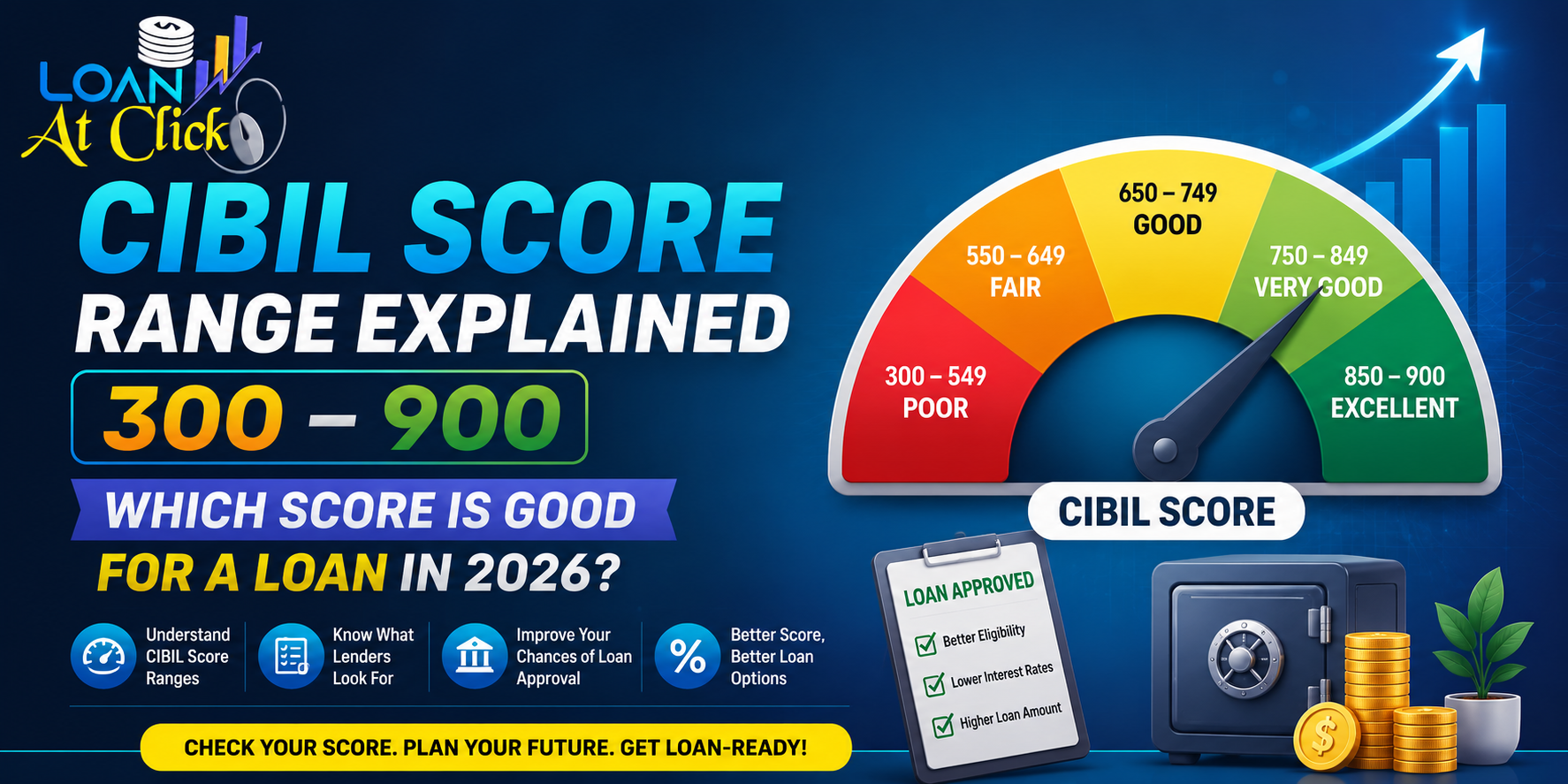
One of the maximum not unusualplace motives for mortgage rejection is a negative credit score score. A low score indicates that you may have missed loan or credit card payments in the past.
Lenders prefer borrowers with a strong repayment history because it reduces their risk. If your credit score is low, consider improving it before applying for a new loan.
# Insufficient Income
Your income plays a major role in loan approval. Lenders want to ensure that you can comfortably repay the EMI every month.
If your salary or business income is too low compared to the loan amount requested, your application may be rejected. Applying for an amount that matches your repayment capacity can improve approval chances.
# High Existing Debt
Even if you have a good income, lenders may reject your application if you already have several active loans or credit card dues.
A high debt burden suggests that managing another loan may be difficult. Financial institutions usually evaluate your debt-to-income ratio before making a decision.
# Frequent Loan Applications
Submitting multiple loan applications within a short period can negatively affect your profile. Every loan inquiry is recorded in your credit report. Too many applications may make lenders think that you are facing financial difficulties, which can increase the risk of rejection.
# Unstable Employment History
Job balance is any other essential factor. If you frequently change jobs or have recently joined a new company, lenders may consider your income less reliable. Most lenders prefer applicants who have a stable employment record and consistent earnings.
# Incorrect Information in the Application
Simple errors also can cause rejection. Providing incorrect details about your income, address, employment, or contact information may raise concerns during verification.
Always review your application carefully before submission and ensure all information is accurate.
# Incomplete Documentation
Missing or incomplete documents can delay or even reject a loan application.
Common documents required include:
* Aadhaar Card
* PAN Card
* Address Proof
* Salary Slips
* Bank Statements
* Income Proof
Submitting complete and updated documents helps speed up the approval process.
# Poor Repayment History
Lenders closely examine your past repayment behavior. Late EMI payments, loan defaults, or unpaid credit card bills can reduce your chances of approval.
Maintaining a good repayment record is one of the best ways to improve your financial profile.
# Not Meeting Lender Eligibility Criteria
Every lender has specific eligibility requirements related to age, income, occupation, and work experience. If you do not meet these conditions, your application may be rejected even if your credit score is good. Always test the eligibility standards earlier than applying.
# How to Avoid Personal Loan Rejection
You can reduce the chances of rejection by following a few simple steps:
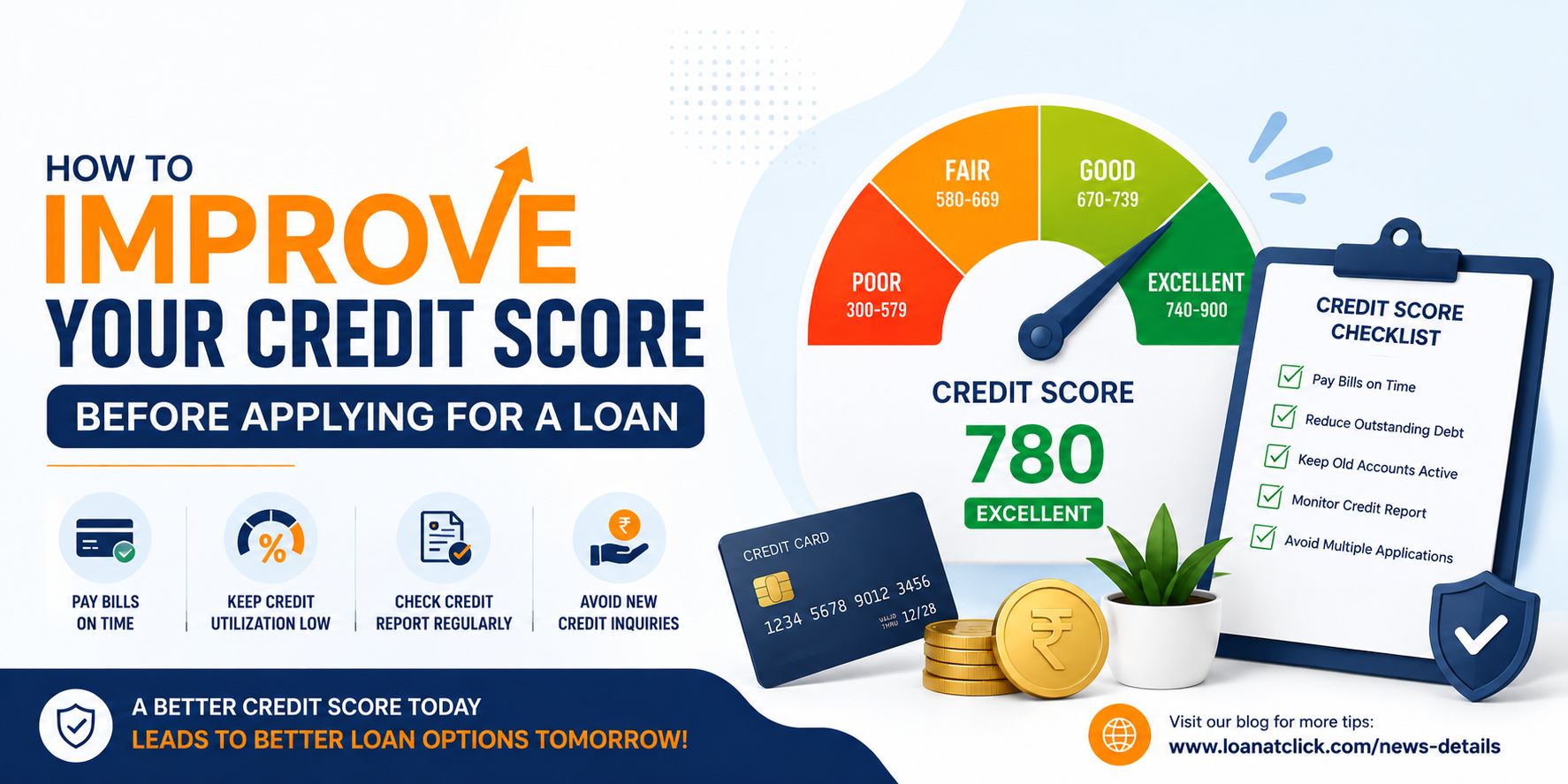
* Maintain a healthy credit score.
* Pay EMIs and credit card bills on time.
* Avoid applying with multiple lenders at once.
* Keep your documents ready and updated.
* Apply for a realistic loan amount.
* Maintain stable employment and income.
These habits can significantly improve your approval chances.
# Conclusion
Understanding the common personal loan rejection reasons can help you prepare better before applying for a loan. Factors such as a low credit score, insufficient income, high debt levels, unstable employment, and incorrect documentation are many of the maximum common reasons of rejection. By improving your financial profile and submitting accurate information, you can increase your chances of approval and secure The price range you want with out pointless delays.
If you need guidance on finding the right loan option, visit the Loan At Click



How to Get Fast Business Loan Approval?







Gwalior PIN Code: Complete & Updated Guide for 2026

How to Get a Personal Loan with a Low CIBIL Score


Instant Personal Loan for Self-Employed Individuals


Can You Get a Personal Loan Without CIBIL Score?

Best Ways to Get a Loan with Bad Credit History

How Much Personal Loan Can I Get on My Salary?