

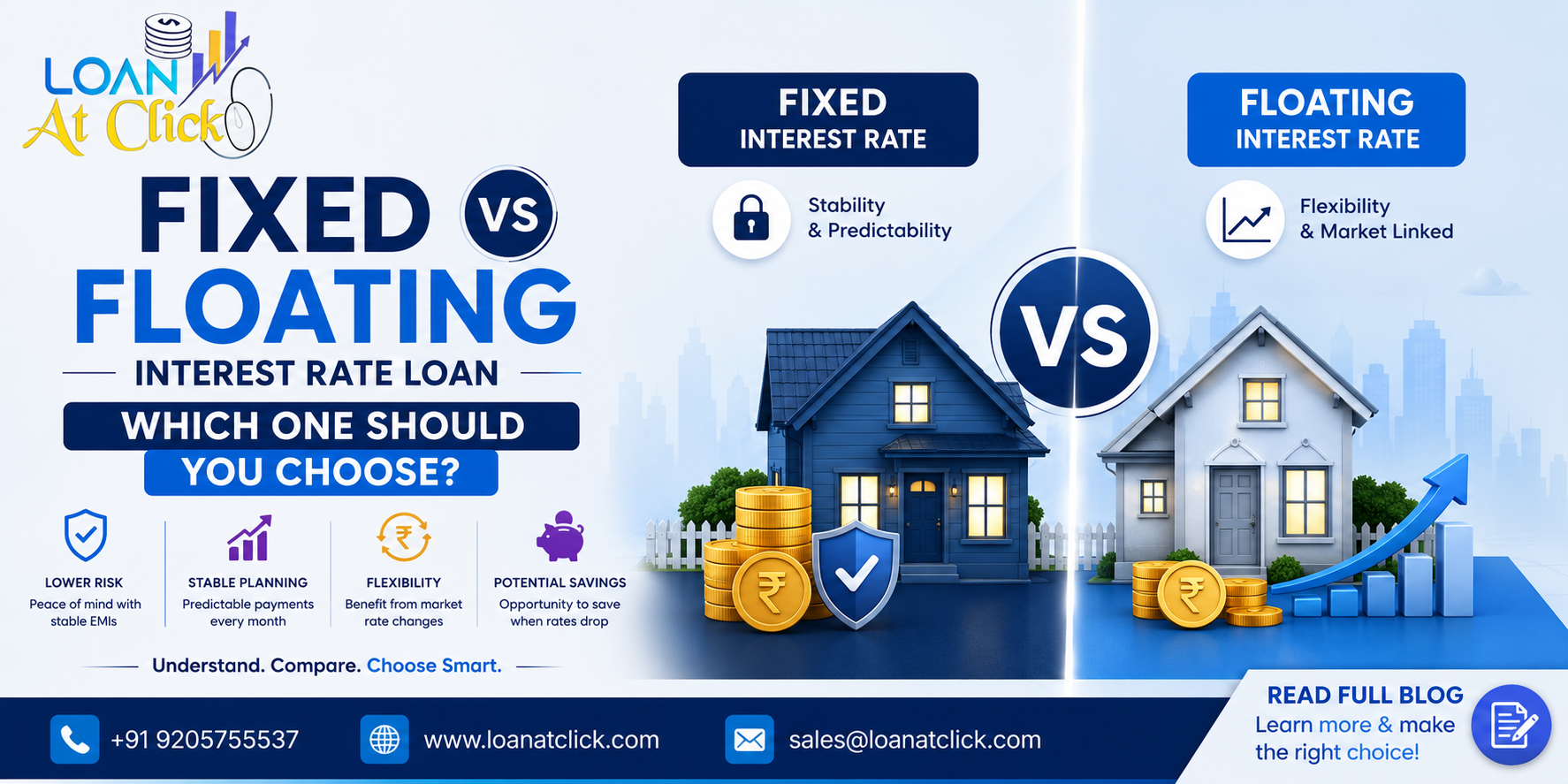
Fixed vs Floating Interest Rate Loan: Which One Should You Choose?
When you apply for a loan, one important decision is choosing the right type of interest rate. Many people get confused between a Fixed vs floating interest rate loan because both have their own benefits. The right choice depends on your income, monthly budget, and future plans.
If you understand the difference before taking a loan, you can save money and avoid financial stress later. In this guide, we will explain both options in simple language so you can make a better decision.
# What is a Fixed Interest Rate Loan?
A fixed interest rate loan means your interest rate stays the same throughout the loan period. Your monthly EMI remains unchanged from the first payment to the last.
For example, if you take a home loan at 9% fixed interest, it will remain 9% even if marketplace hobby charges move up or down.
Benefits of Fixed Interest Rate:
1. Your EMI stays the equal each month.
2. Easy to devise your month-to-month budget.
3. No surprise increase in loan payments.
4. Best for people with a fixed monthly income.
Drawbacks
1. Fixed interest rates are usually slightly higher than floating rates.
2. If market interest rates fall, your EMI will not reduce.
# What is a Floating Interest Rate Loan?
A floating interest rate loan changes according to market conditions and the lender's benchmark rate. If hobby charges increase, your EMI or mortgage tenure can also additionally increase. If rates decrease, you may pay less interest.
This option is commonly chosen for long-term loans like home loans.
Benefits of Floating Interest Rate
1. Usually begins offevolved with a decrease hobby rate.
2. You can save money when market rates fall.
3. Suitable for long-time period borrowers.
Drawbacks
1. EMI can also additionally boom if hobby quotes rise.
2. Monthly budgeting becomes a little difficult.
3. Total loan cost is uncertain.
| Feature | Fixed Interest Rate | Floating Interest Rate |
|---|---|---|
| EMI | Remains the same | Can change |
| Interest Rate | Fixed | Changes with market rates |
| Budget Planning | Easy | Less predictable |
| Risk | Low | Moderate |
| Savings | Limited | Possible when rates fall |
# Which Loan Option is Better?
There is no single answer because every borrower has different needs.
Choose a set hobby fee mortgage if:
1. You want stable EMIs.
2. You have a set month-to-month salary.
3. You opt for monetary certainty.
4. You do not need to fear approximately marketplace changes.
Choose a floating interest rate loan if:
1. You are cushty with converting EMIs.
2. You trust hobby prices may also decrease.
3. You are taking a long-term loan.
4. You want to benefit from lower market rates.
# Who Should Choose a Fixed Interest Rate Loan?
A constant mortgage is good for:
1. First-time home buyers.
2. Salaried employees.
3. People with restrained month-to-month budgets.
4. Borrowers who pick monetary stability.
# Who Should Choose a Floating Interest Rate Loan?
A floating loan is suitable for:
1. Business owners.
2. Self-employed professionals.
3. People with bendy income.
4. Borrowers planning to repay the loan early.
# Things to Check Before Choosing
Before deciding between a Fixed vs floating interest rate loan, always compare:
1. Current interest rates.
2. Loan tenure.
3. Processing charges.
4. Prepayment rules.
5. Your month-to-month reimbursement capacity.
Taking a few extra minutes to compare loan options can help you save a significant amount over the loan period.
# Final Thoughts
Choosing between a Fixed vs floating interest rate loan depends on your financial situation and comfort level. If you want predictable EMIs and peace of mind, a fixed interest rate is a good option. If you are willing to accept some changes in your EMI to benefit from lower market rates, a floating interest rate may help you save money over time.
Before applying, compare offers from multiple banks and NBFCs to find the best deal for your needs.
Need Help Choosing the Right Loan?
The loan experts at Loan At Click can help you compare loan offers from multiple banks and NBFCs and guide you toward the most suitable option based on your financial needs.


How to Get Fast Business Loan Approval?




Gwalior PIN Code: Complete & Updated Guide for 2026
How to Get a Personal Loan with a Low CIBIL Score

Instant Personal Loan for Self-Employed Individuals
Can You Get a Personal Loan Without CIBIL Score?

Best Ways to Get a Loan with Bad Credit History
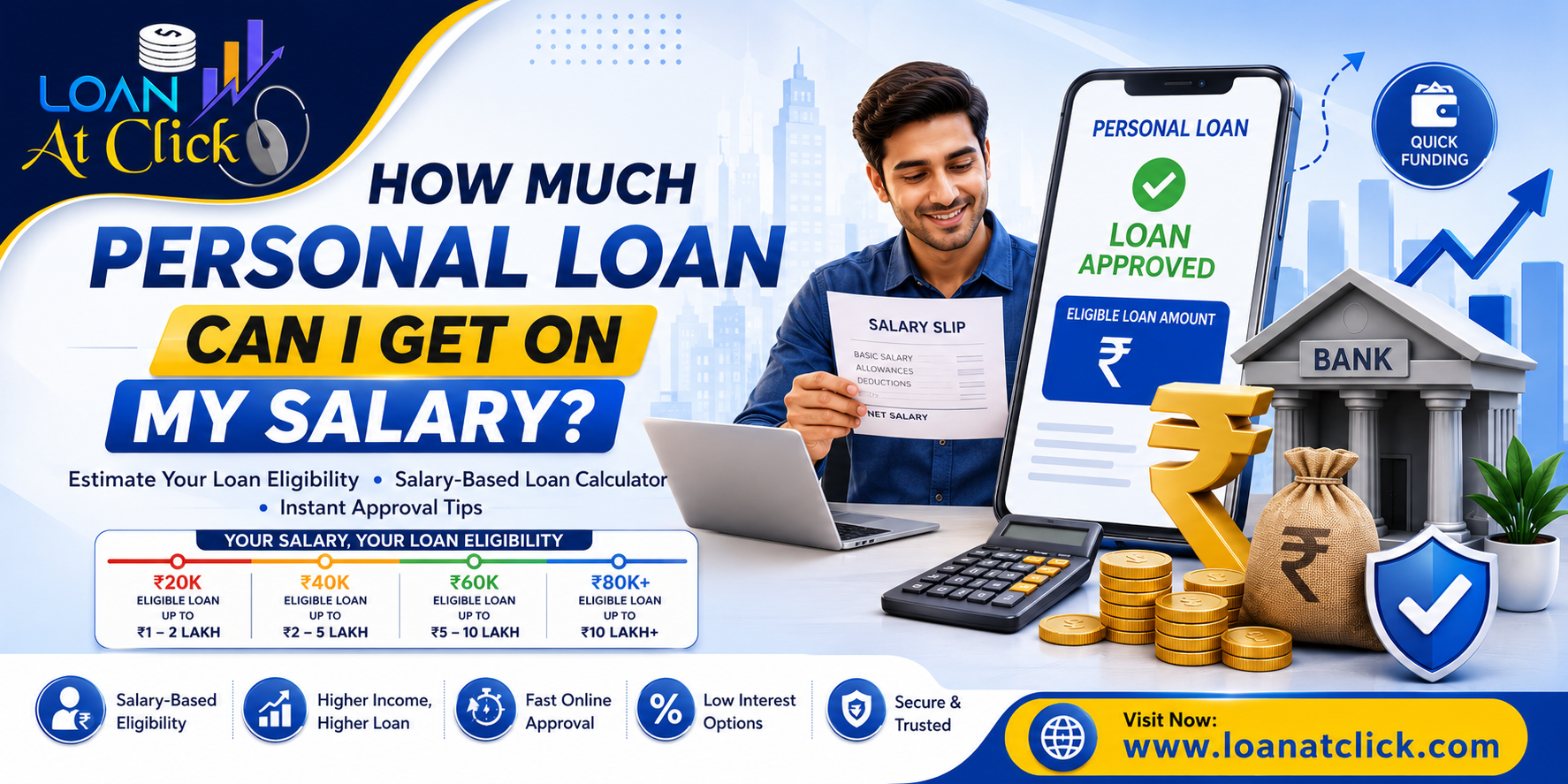
How Much Personal Loan Can I Get on My Salary?