


Loan Against Property Eligibility Calculator: How Much Loan Can You Get?
If you're planning to take a loan by mortgaging your residential or commercial property, the first question that comes to mind is, How much loan can I get? The answer depends on your Loan against property eligibility. Knowing your eligibility before applying can save time and improve your chances of approval.
In this guide, we'll explain how lenders calculate your eligibility, the factors that affect it, and how you Can growth your probabilities of having a better mortgage amount.
# What is Loan Against Property Eligibility?
Loan against property eligibility refers to whether you qualify for a loan and the maximum amount a lender Is inclined to provide towards your property.
Banks and NBFCs consider several factors such as your income, property value, age, repayment capacity, and existing financial responsibilities earlier than approving the loan.
# What is a Loan Against Property Eligibility Calculator?
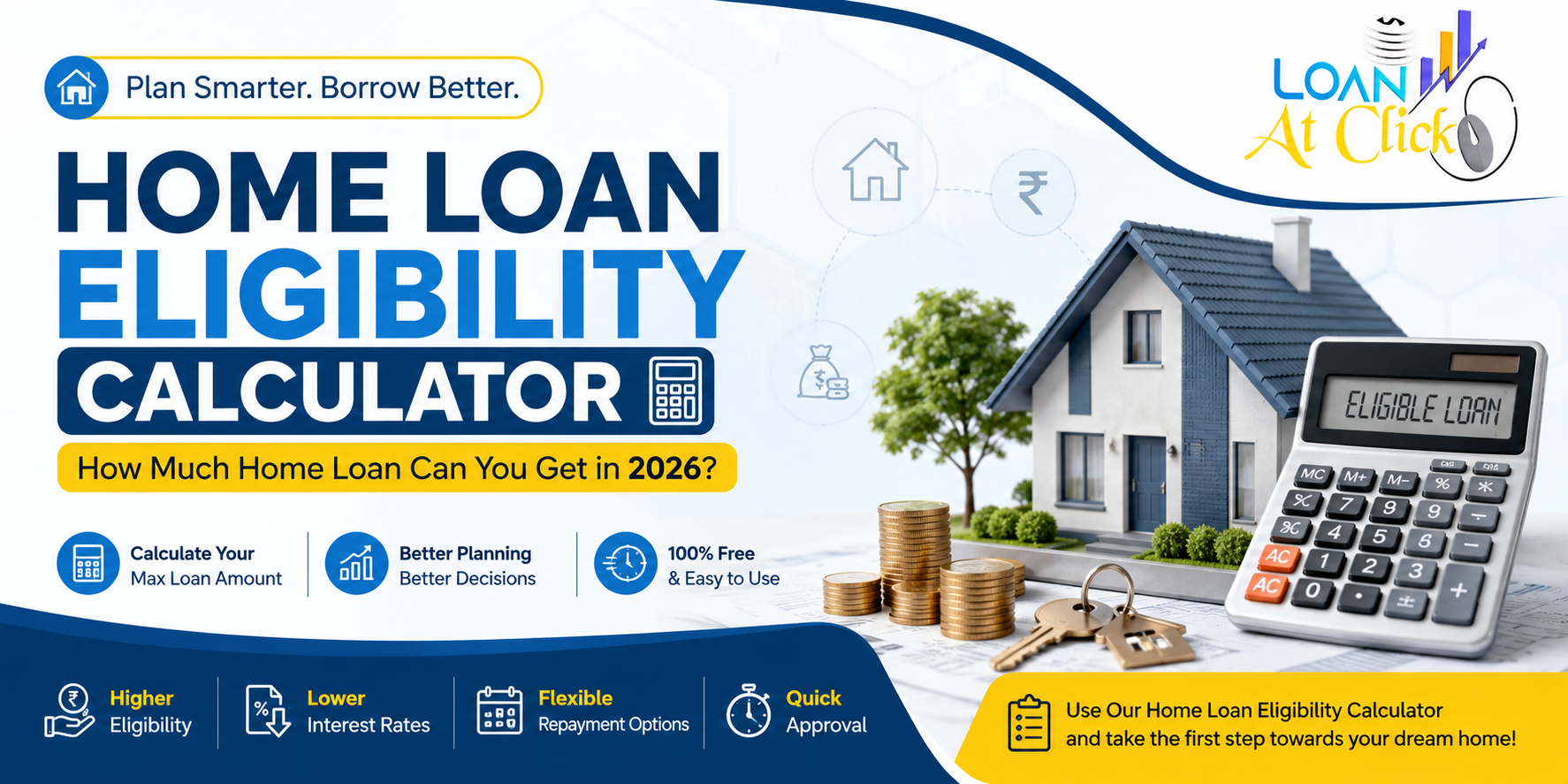
A Loan Against Property Eligibility Calculator is an online tool that gives you an estimate of the loan quantity you will be eligible for. You simply enter a few details like your income, age, loan tenure, and existing EMIs, and the calculator presents an approximate mortgage amount.
While the final approval depends on the lender's verification process, the calculator helps you plan your finances in advance.
# How is Loan Against Property Eligibility Calculated?
Lenders evaluate different factors before deciding your loan amount.
1. Monthly Income
Your month-to-month profits is one of the maximum critical factors. A higher and stable income generally increases your loan eligibility.
2. Property Value
The marketplace price of your private home performs a primary role. Most lenders finance around 60% to 75% of the property's current value, depending on their policies.
3. Existing EMIs
If you're already paying other loan EMIs, your repayment capacity may reduce, which can affect your eligibility.
4. Age
Applicants who have a longer working life ahead usually have better eligibility because they can opt for longer repayment tenures.
5. Employment Type
Both salaried and self-hired people can apply. However, lenders may check job stability or business income before approving the loan.
6. Credit Score
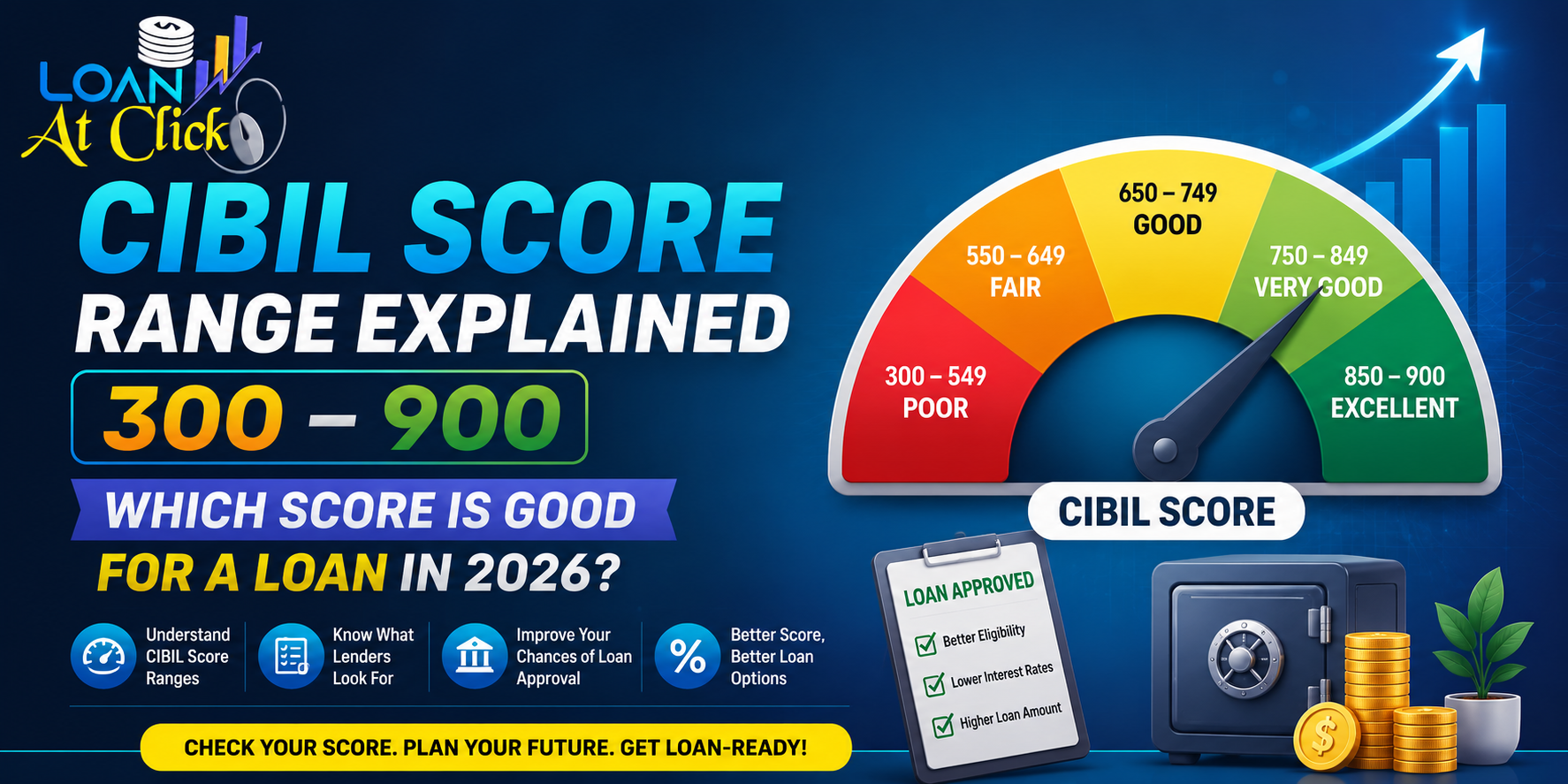
A good CIBIL score increases your chances of approval and may also help you get better interest rates.
# Documents Required
To check your Loan against property eligibility, lenders usually ask for:
* PAN Card and Aadhaar Card
* Address proof
* Income proof (Salary slips or ITR)
* Bank statements
* Property ownership documents
* Property-related legal documents
Having those files geared up could make the approval method faster.
# How to Increase Your Loan Eligibility
If you need a better mortgage amount, observe those easy tips:
* Maintain a good CIBIL score.
* Pay existing EMIs on time.
* Reduce extraordinary money owed earlier than applying.
* Declare all valid sources of income.
* Apply with a co-applicant if eligible.
* Choose an extended compensation tenure if suitable.
These steps can improve your Loan against property eligibility and increase your chances of getting the required loan amount.
# Benefits of Checking Eligibility Before Applying
Checking your eligibility in advance offers several advantages:
* Helps estimate the loan amount.
* Saves time throughout the software process.
* Reduces the probabilities of mortgage rejection.
* Makes financial planning easier.
* Helps you select the proper lender.
A quick eligibility check can help you apply with confidence.
# Need Help Applying for a Loan Against Property?
If you're planning to apply for a Loan Against Property and want expert guidance, Loan At Click can help. As a trusted loan assistance platform associated with multiple RBI-approved banks and NBFCs, they help you compare loan offers and find the best option based on your profile.
# Conclusion
Understanding your Loan against property eligibility is the first step before applying for a loan. It helps you estimate how much you can borrow and prepares you for the application process. Factors like your income, property value, credit score, and repayment capacity all play an important role. By checking your eligibility beforehand and maintaining a healthy financial profile, you can improve your chances of getting A better mortgage quantity with higher terms.



How to Get Fast Business Loan Approval?







Gwalior PIN Code: Complete & Updated Guide for 2026

How to Get a Personal Loan with a Low CIBIL Score


Instant Personal Loan for Self-Employed Individuals


Can You Get a Personal Loan Without CIBIL Score?


Best Ways to Get a Loan with Bad Credit History

How Much Personal Loan Can I Get on My Salary?